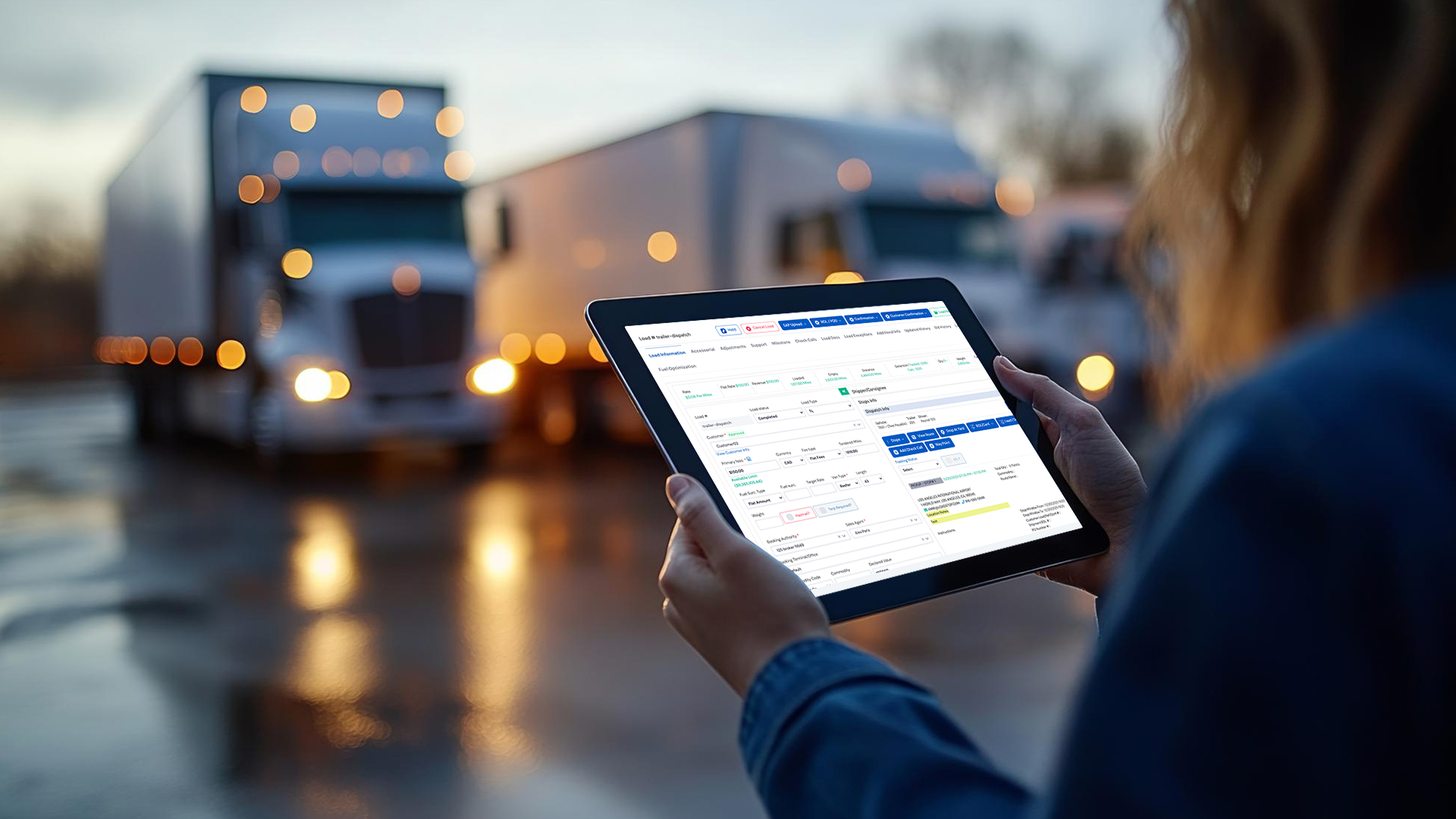
You put up the load. The rate is reasonable. The lane isn’t unusual. And you’re still watching the clock with zero carrier bids on loads.
This happens more than most brokers like to admit. And it’s rarely about the money.
Carriers skip loads for very specific reasons. When you understand those reasons, you can fix them systematically instead of just bumping the rate and hoping for the best. This blog breaks down exactly what drives carrier participation, what information carriers need before they say yes, and how smart freight load bidding technology closes the gap between a posted load and a competitive bid.
Let’s get into it.
Why Carriers Are Skipping Your Loads
Before you change anything, diagnose the real problem. Here are the most common reasons carriers pass on a load:
- Incomplete load details. If a carrier can’t see commodity type, weight, pickup windows, or equipment needs, they move on. Missing info equals risk, and carriers avoid risk.
- Bad lane math. Carriers calculate deadhead miles against rate per mile before anything else. If your load asks them to drive two hours empty just to pick up, the economics don’t work.
- Slow or unclear payment. Small fleets and owner-operators run on thin margins. A load with vague payment terms loses to one offering quick pay terms every single time.
- No track record with you. First-time shippers are a gamble. Without a reputation for fair detention pay, on-time pickups, and smooth dock operations, you’re an unknown quantity.
- Wrong audience. Blasting a load to 500 carriers when only 30 of them run that lane is noise. Carriers in the wrong region or with the wrong equipment just ignore it.
Any one of these issues kills your carrier response rate. Most brokers are dealing with several at once.
What Is Smart Load Matching and Why Does It Change Everything?
Traditional load boards are passive. You post, you wait, someone finds you.
Smart load matching flips that completely. Instead of waiting for carriers to find your load, the system identifies which carriers are most likely to bid on it, and puts the load directly in front of them.
Here’s what the matching engine actually looks at:
- Carrier’s preferred lanes and historical activity
- Current truck location and availability
- Equipment type on hand
- Past performance on similar loads
- Real-time spot market freight rates
The result is that your load reaches drivers who are already positioned nearby, already run the lane, and are ready to move. That’s why automated load matching consistently drives higher load acceptance rates compared to manual posting.
Research on digital freight matching technology shows that algorithmic carrier-to-load pairing cuts coverage time significantly, because it removes guesswork from both sides of the transaction.
How Smart Load Matching Works
4-Step Process
Carrier Profile Ingestion
Lane history, equipment type, safety score and performance data captured at onboarding.
Vetted network
Real-Time Positioning
GPS locates each carrier's truck right now. Loads route to carriers nearest the origin point.
Cuts deadhead miles
Wide-Network Broadcast
Contract carriers tendered first via waterfall rules. Auto-escalates to 300+ spot providers if needed.
Spot market RFQ
Bid Collection
All bids ranked by rate, margin and carrier score. Guardrails filter low-quality bids automatically.
One-click award
If you’re still relying on traditional load boards, it’s worth understanding how smarter load boards are changing how loads get discovered and covered.
What Load Details Matter Most to Carriers?
This is a question every broker should be able to answer cold. Carriers make bid decisions in seconds. Your load listing needs to give them everything they need before they move on to the next one.
The Load Information Checklist
| Detail | Why Carriers Need It |
|---|---|
| Precise pickup and delivery address | Vague city-level data causes confusion and extra planning work |
| Pickup and delivery windows | Tight or unclear windows signal a difficult shipper to work with |
| Commodity type and weight | Affects equipment selection, fuel burn, and compliance requirements |
| Rate per mile | Carriers skip “call for rate” listings every time |
| Detention pay policy | Carriers sitting at a dock unpaid is a trust killer |
| Equipment requirements | Prevents wasted inquiries from carriers who cannot run the load |
| Payment terms | Quick pay availability can be the deciding factor |
Filling in every field isn’t just good practice. It’s the difference between getting bids and getting ignored. According to a complete guide to load matching, load data completeness is one of the most direct drivers of time-to-coverage.
This is also how carriers evaluate options on their side, especially when scanning multiple loads at once across different boards.
Do Higher Rates Always Attract More Carriers?
Short answer: no.
Carriers optimize for net profitability, not gross rate. A load paying $3.50/mile that requires 300 deadhead miles to reach can be less attractive than a $2.80/mile load a driver can pick up from their current location.
Here’s what carriers weigh alongside the rate:
- Deadhead miles to origin. Empty miles eat directly into margin.
- Lane familiarity. Carriers prefer routes they know. Familiar lanes mean fewer surprises and more predictable fuel costs.
- Shipper reputation. On-time operations, fair dock treatment, and reliable communication matter. Carriers talk to each other about difficult shippers.
- Payment speed. Quick pay terms can offset a lower rate. Many carriers take less money for faster access to it.
- Load frequency. A consistent shipper offering regular loads on the same lane is worth more than a one-off load at a premium rate.
How Payment Speed Impacts Carrier Bids
This one gets underestimated constantly.
Owner-operators and small fleets often cover fuel, tolls, and driver pay out of pocket, then wait weeks for invoice payment. A load that pays in 45 days puts real financial pressure on their operation. A load that pays tomorrow removes it entirely.
Freight brokers who integrate quick pay terms into their freight bidding platform see consistently higher carrier participation. The all-in value of the load goes up without changing the rate.
Here’s what that looks like in real terms:
- Load A pays $2,800 at net 45 days
- Load B pays $2,650 with same-day pay after proof of delivery
For a carrier managing cash flow week to week, Load B often wins. Build that into how you structure your offers and you’ll see your carrier response rate climb without touching the base rate.
How LoadStop’s Smart Matching Increases Carrier Bids
LoadStop is built to tackle each of these friction points inside one platform. Here’s how the core features work together.
Bidding Automation
LoadStop’s bidding automation engine handles carrier outreach automatically. Loads get broadcast to pre-qualified carriers based on lane fit, location, and performance history. Bids come in through the platform in real time, ranked and ready for comparison. No phone tag. No email threads. Just clean data that helps you award faster.
Carrier Onboarding
A bigger, better-qualified carrier network means more competition on every load. LoadStop’s carrier onboarding workflow moves carriers through compliance and qualification quickly so they’re active and bidding instead of stuck in paperwork.
Carrier Bidding Workflows
The carrier bidding environment in LoadStop gives carriers a clear, structured place to submit bids with full load context visible. When carriers trust the platform and the process, participation goes up.
For more on how AI is reshaping load building and dispatch, read our piece on AI in load building for carriers and brokers.
Final Thoughts
Low bid volume is a systems problem, not a luck problem.
When carriers skip your loads, they’re responding to friction. Incomplete data. Bad lane economics. Slow payment. Wrong audience. None of that is random. All of it is fixable.
Smart load matching addresses each friction point at the source. It puts complete, accurate loads in front of carriers who are positioned, qualified, and motivated to bid. Automated load matching means you stop starting from scratch on every load and start building a process that improves with every transaction.
That’s how you improve carrier response rate today and carrier retention long term.
LoadStop gives you the bidding automation, carrier onboarding, and freight bidding platform to make that shift. Take a look at the features and find out what your carrier network is actually capable of when it’s working for you.
FAQs
Share
Trending Articles
Get a daily dose of industry insights, tips, and updates to keep you informed and inspired.