

Fleet managers and owner-operators face a relentless challenge: how to move more freight with fewer wasted hours and resources. Manually planning loads, matching trucks to shipments, and juggling thousands of pieces of data can be a time-consuming maze.
With fluctuating demand, driver shortages, and razor-thin margins, today’s dynamic market leaves no room for inefficiency. This is where AI-powered dispatch automation and automated load management steps in.
By harnessing AI, fleets can transform dispatch from a guesswork routine into a data-driven, adaptive process that fits right into what they have been doing for years.
Here, we’ll explore the benefits of AI in the supply chain, share insights from industry leaders, and explain how platforms like LoadStop use AI to match loads, optimize routes, and more to boost your margins and profitability.
The Role of AI in Modern Supply Chain and Logistics
Artificial intelligence is rapidly reshaping how goods move from point A to B.
In supply chain planning and operations, AI systems (machine learning, predictive analytics, natural language processing, etc.) ingest vast datasets from weather forecasts to real-time truck locations to uncover patterns and make smarter decisions.
According to a recent ZS Associates report, AI is driving a shift ”from rigid, reactive systems into intelligent, adaptive networks,” enabling supply chains to respond proactively to disruptions.
In practice, this means AI can help predict which lanes will have excess capacity, optimize cross-border routing, or even negotiate freight rates.
Gartner analysts also note, generative AI in logistics is poised to power a quarter of all KPI reporting by 2028, and half of supply chain leaders plan to implement GenAI within a year. These trends translate into a booming AI supply-chain market.
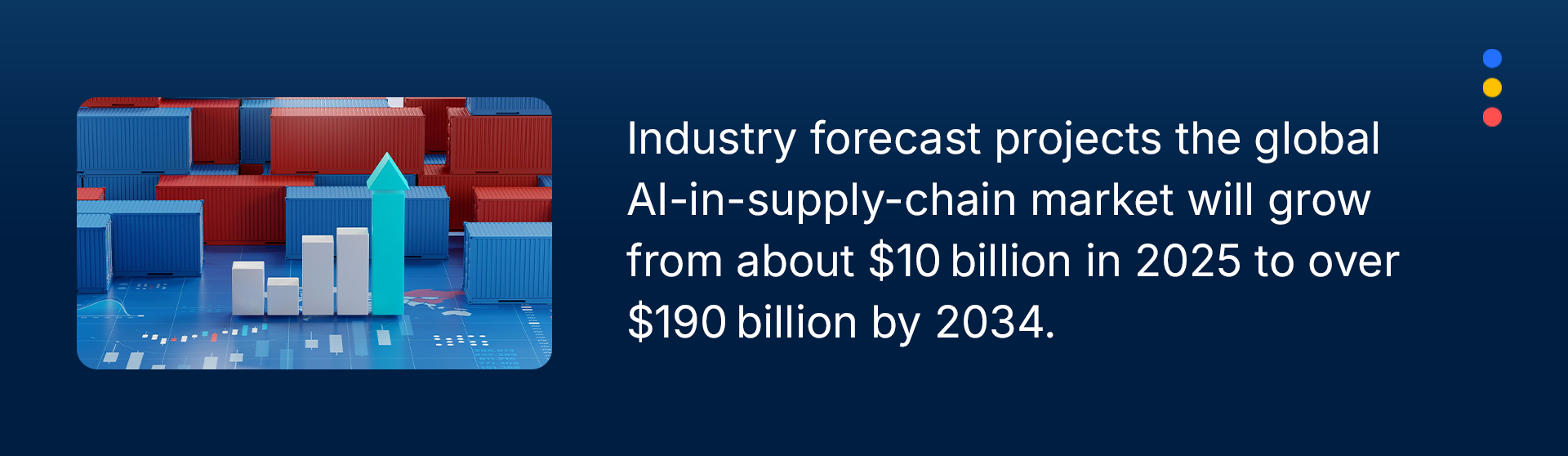
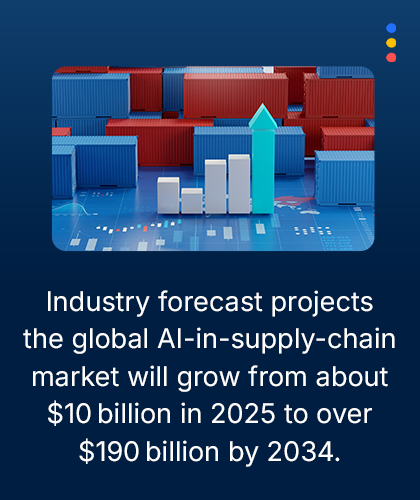
The upshot: investing in AI-driven supply chain optimization and planning is no longer optional. It’s the most important requirement for survival and growth.
Benefits of AI-Driven Fleet Management

Improved Fleet Utilization
Machine learning algorithms optimize routing and scheduling to minimize empty miles and maximize driver hours.
By intelligently matching available trucks to loads (taking into account location, capacity, driver hours, etc.), fleets reduce idle time and get more loads on the road each day.

Cost Reductions
According to McKinsey, supply chain managers report some of the highest cost-saving benefits from AI in any function.
AI identifies where and when to load trucks so that tender acceptance rates rise and fuel spend drops. Every percentage point of fuel efficiency or capacity utilization gain directly lifts the bottom line.
Better Decision-Making
Generative AI tools can automatically consolidate data from GPS devices, ELDs, and brokerage updates to flag risks or opportunities.
Dispatchers receive AI-driven recommendations on which backhaul lanes to target or when to shift capacity in congested corridors, while managers gain a unified view across carriers, drivers, and shipments - all from a single, integrated dashboard.
Automation of Repetitive Tasks
AI can handle digitizing paperwork (OCR of bills of lading, tenders, etc.), extracting data from PDFs, and even matching invoices to shipments with minimal human input.
By offloading these chores, human staff can focus on exceptions and relationship-building.
Key Use Cases: AI-Powered Dispatch & Load Management

Intelligent Load Planning & Dispatch
AI-powered load planning tools can balance shipments across a fleet: they analyze upcoming freight and even out loads so that no truck runs under capacity or goes empty.
In practice, these systems can automatically identify demand spikes and suggest either shipping early or holding it to smooth out the schedule, leading to higher tender acceptance and lower costs.

Route Optimization & Real-Time Updates
Modern TMS software can calculate multi-stop tours that respect time windows, breaks, and home time while minimizing drive time and cost.
Once trucks are en route, AI-powered dashboards provide live tracking and re-optimization. If a delay occurs (say, a breakdown or traffic jam), the system can instantly suggest rerouting the truck or swapping loads between teams.

Automation of Documentation & Communication
Fleets handle mountains of paperwork: carrier agreements, compliance documents, invoices, etc. AI automations handle much of it.
Advanced OCR and AI can extract critical details from uploadable PDFs (e.g., bills of landing) and auto-populate TMS fields.

Predictive Maintenance & Load Security
AI in trucking extends to predictive maintenance and security: smart sensors on trucks and trailers can flag component wear before a breakdown.
Similarly, computer vision cameras can inspect cargo for damage or verify secure loading.
Insights from Industry Experts
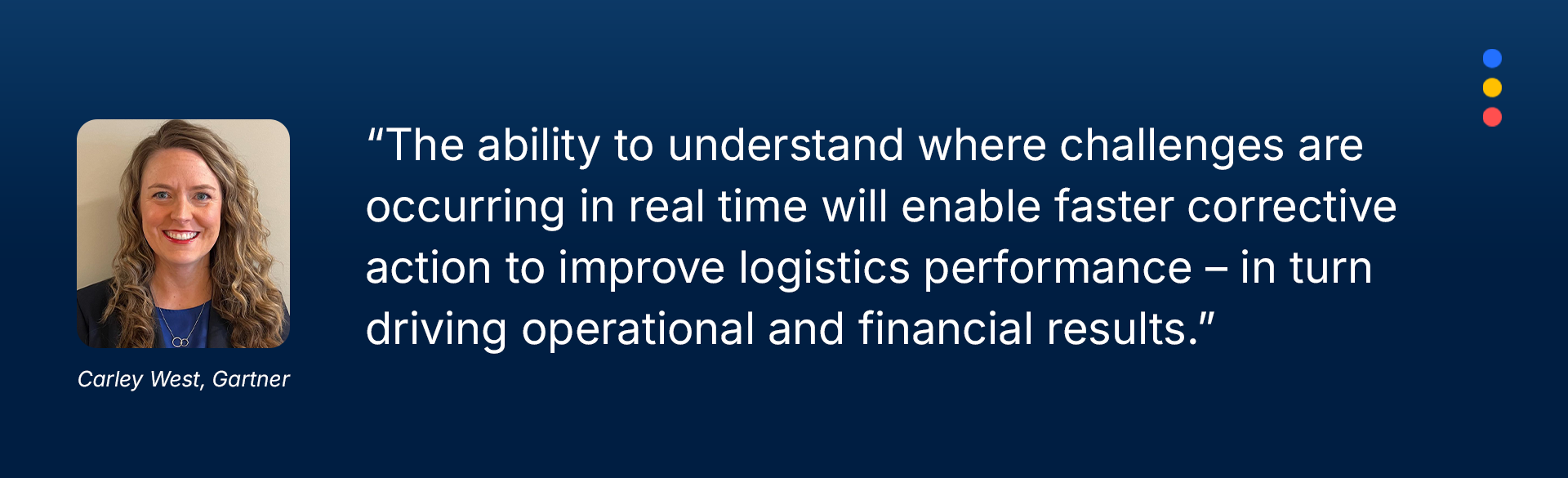
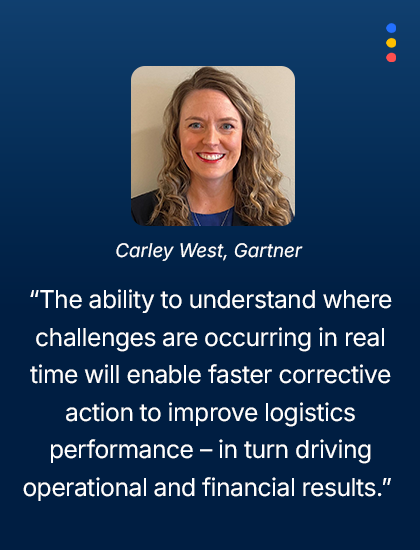
Leading analysts and practitioners emphasize that AI is fundamentally changing transportation management. Carly West, a Gartner supply chain analyst, notes that:
Research firms underscore the payoff: a recent McKinsey survey found that supply chain management sees some of the highest cost benefits from AI of any business function.
Gartner’s analysis highlights that AI-powered KPI reporting can quickly summarize data from disparate sources, enabling faster root-cause analysis and more agile planning.
Deloitte and other consultancies similarly highlight AI solutions in logistics (like demand sensing and automated scheduling as high-impact levers for competitive advantage.
In practice, North American carriers are already adopting these tools; for example, one market report notes that leading AI in supply chain vendors are helping fleets achieve 30–50% increases in productivity and on-time performance (vs. manual processes).
LoadStop: AI for Automated Load Management
LoadStop’s foundation is simple: automate the repetitive and optimize the complex. As an AI-powered TMS, it removes manual dispatching and load planning barriers, letting fleets operate faster and smarter.
Its autonomous dispatcher automatically matches the right trucks and drivers to the right loads, while a capacity search engine continuously scans the market for the best-fit shipments.
The result? Legacy manual dispatching evolves into an AI-assisted control center, boosting productivity with less effort. Fleet managers gain real-time visibility, allowing dispatchers to spend their time making decisions instead of entering data.
Meanwhile, LoadStop integrates directly with ELDs, carriers, and load boards - learning from every run and continuously refining its matching, forecasting, and routing intelligence. Each dispatch cycle becomes faster, wiser, and more efficient than the last, delivering bigger and better results each financial quarter.
LoadStop’s AI Toolkit: At a Glance

AI LoadBuild
AI LoadBuild automatically processes incoming load documents – from PDFs and screenshots to emails – and extracts all the key details straight into your TMS.
This rapid, hands-off approach eliminates tedious manual retyping, saving time and preventing data entry errors.

AI Dispatch Planner (FleetOps)
AI Dispatch Planner uses your historical data to plan and assign loads, providing fleet-wide visibility and ensuring every truck is fully utilized, so operations run smoothly.
It minimizes deadhead miles and prevents scheduling conflicts by intelligently matching drivers, trucks, and loads.

AI Invoicing
AI Invoicing automates invoice creation, validation, and submission by cross-checking every detail against your load data.
It catches errors before an invoice goes out, dramatically reducing mistakes and rejections. Invoices get approved on the first try, speeding up payments and improving your cash flow.

Driver App
Driver App gives your drivers a mobile hub with real-time load details and turn-by-turn routing for each trip.
It includes built-in communication tools, allowing drivers to easily stay in touch with dispatch to send status updates and upload documents right from the road.
What Our Customers are Reporting
Early adopters have noted that AI LoadBuild, Dispatch Planning, and Invoicing have simplified workflows and saved significant staff time:
“Overall Loadstop has increased productivity and has made our lives significantly easier, could not be more satisfied with the customer service, the easy portal and features it provides.”
“The system’s ability to automate processes, forecast freight flows, and provide intuitive fleet management drastically simplifies the work”
“We’ve been using LoadStop for a while now and are extremely satisfied with the software and the support team. The platform is intuitive, efficient, and has significantly improved our dispatching and tracking processes.”
– Canadian Line Haul Transport Ltd.
“LoadStop TMS has been a great asset for our organization. We have been using this TMS for the last 4 years, It has helped us improve our operations by automating many of our tasks that required manual process. It’s simply better than anything else we have used so far.”
Final Thoughts
In North America, early AI adopters are already seeing tangible gains: smoother operations, better driver utilization, and stronger margins.
The key takeaway for carriers and owner-operators: embrace AI and automation now.
The complexity of today’s supply chain – from unpredictable demand to regulatory changes – demands intelligent tools.
LoadStop’s AI module shows how AI can be put to practical use in dispatch automation and load management with practical implementations that have generated breakthrough results for our customers.